
Clothes Moth Control in Southwest Michigan, Indiana and the Greater Louisville Region
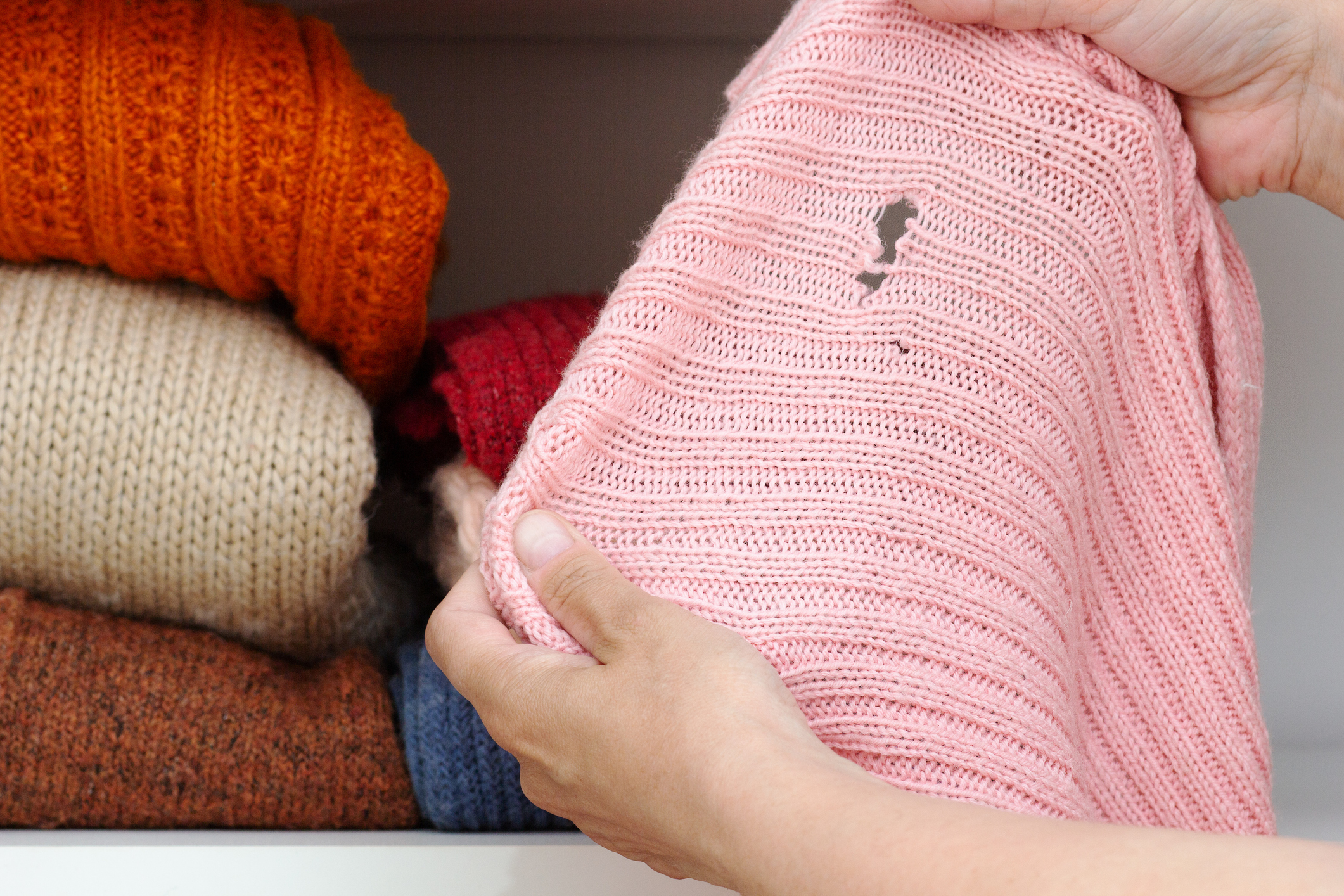
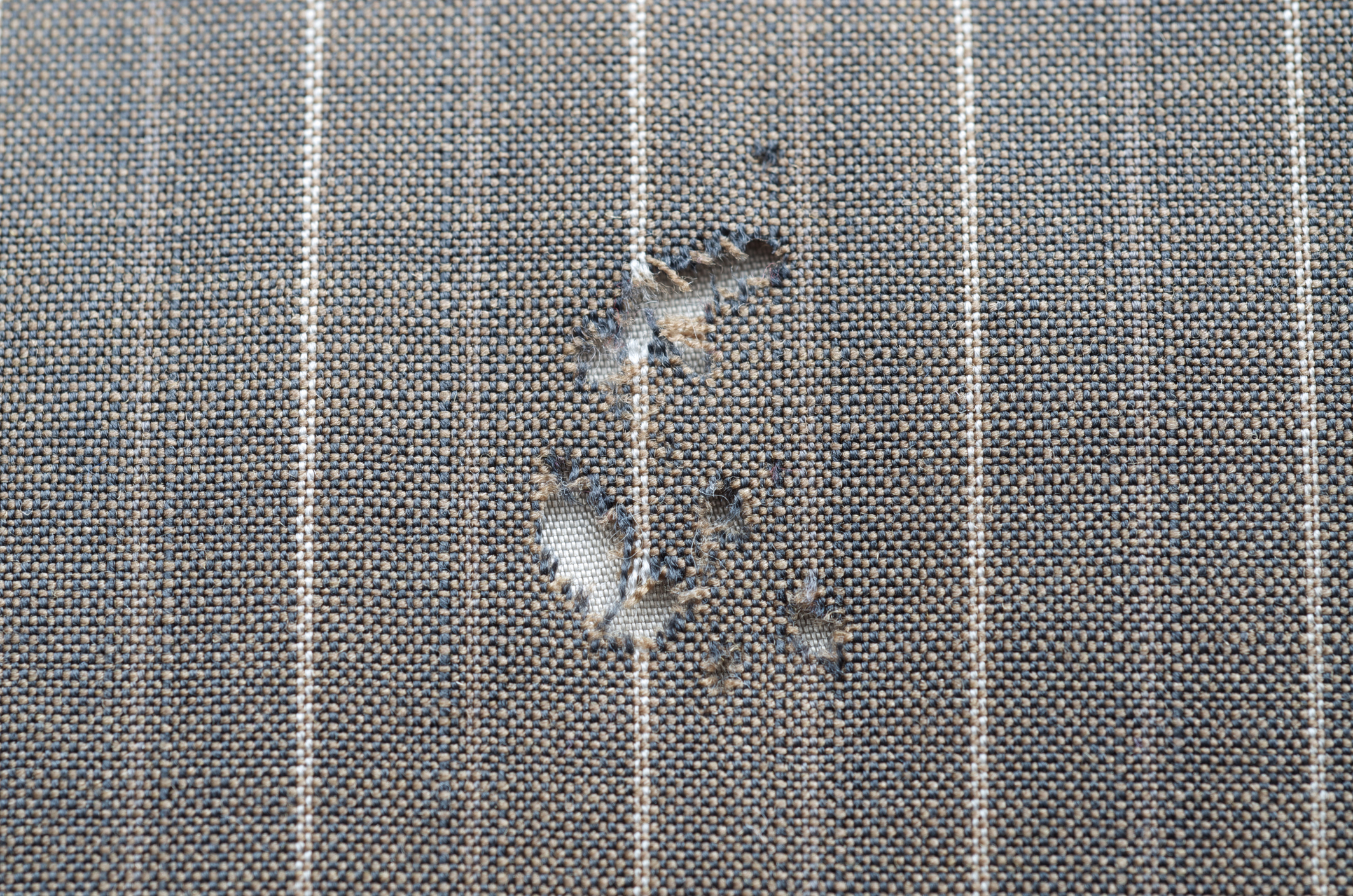
Have you ever pulled a favorite sweater out of storage only to discover tiny holes in the fabric? Clothes moths could be responsible. These small, inconspicuous insects can cause considerable damage to clothing, carpets and other household textiles, often without homeowners realizing they’re present.
Clothes moth infestations can occur throughout the year in homes across Southwest Michigan, Indiana and the Greater Louisville region. They thrive in areas where natural-fiber materials are stored and rarely disturbed. Closets, drawers and storage spaces are ideal hiding places.
At Franklin Pest Solutions, we help homeowners identify clothes moth activity, find the source of infestations and determine effective ways to protect their belongings from further damage.
What Are Clothes Moths?
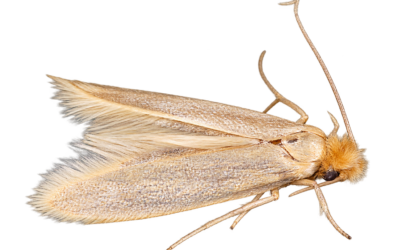
Clothes moths are small, fabric-infesting insects that develop in areas containing wool, fur, feathers and other animal-derived materials. Unlike moths that gather around porch lights, clothes moths generally avoid bright areas and prefer places where they can remain undisturbed.
Two species commonly associated with household fabric damage include:
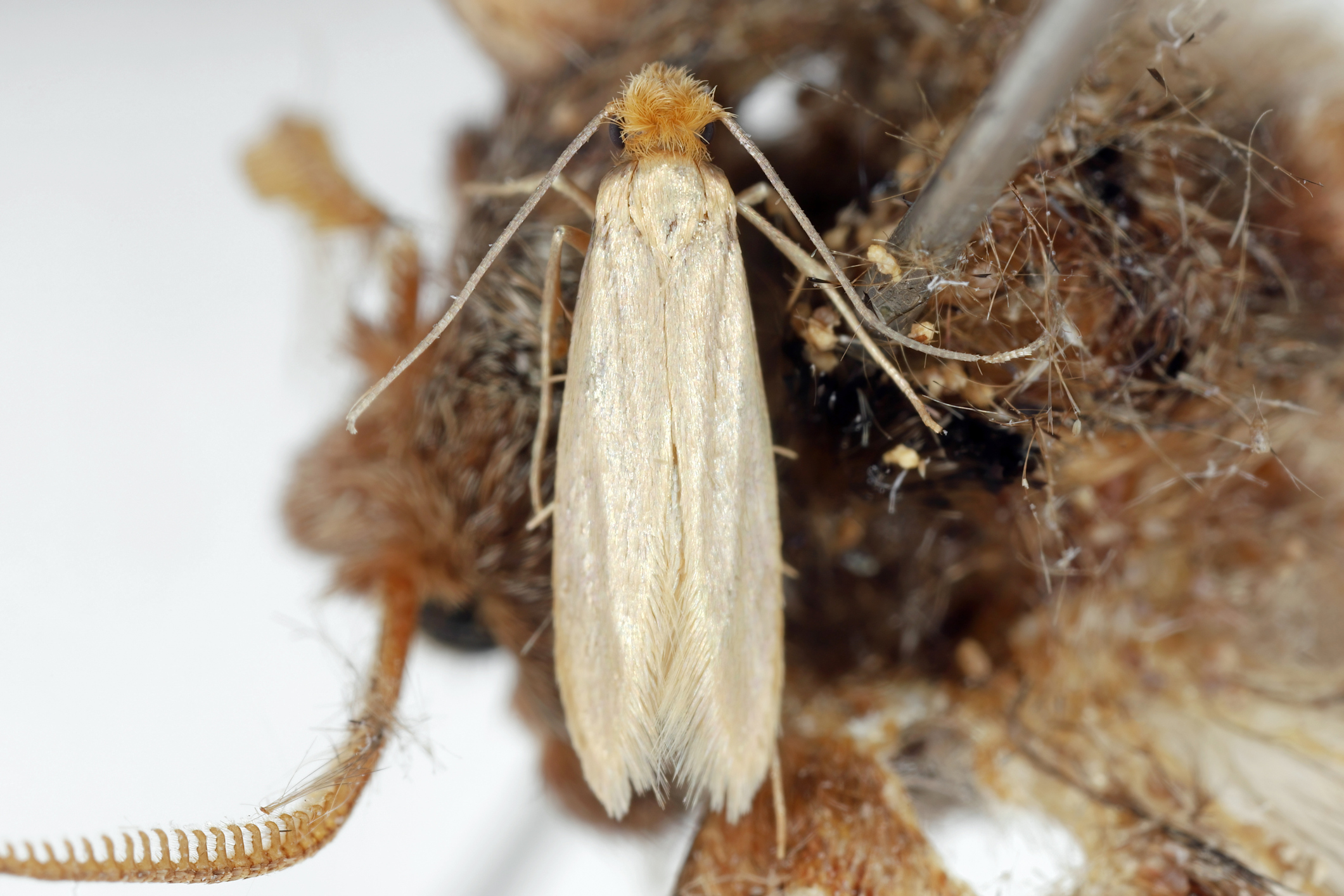
- Webbing clothes moth (Tineola bisselliella): A small, yellowish-gold moth whose larvae spin fine silk threads as they feed on susceptible materials. Webbing and fabric debris may be visible around infested items.
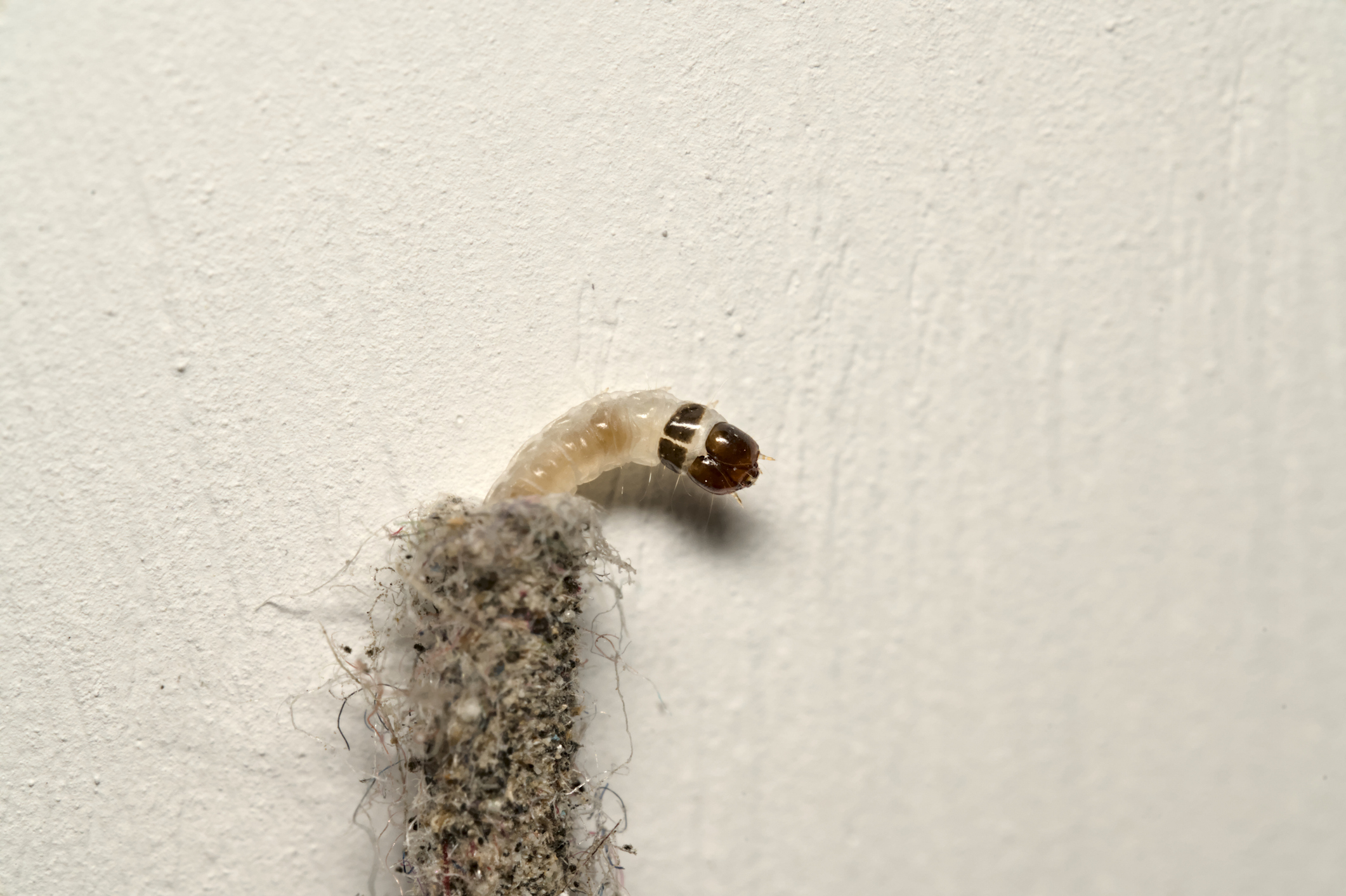
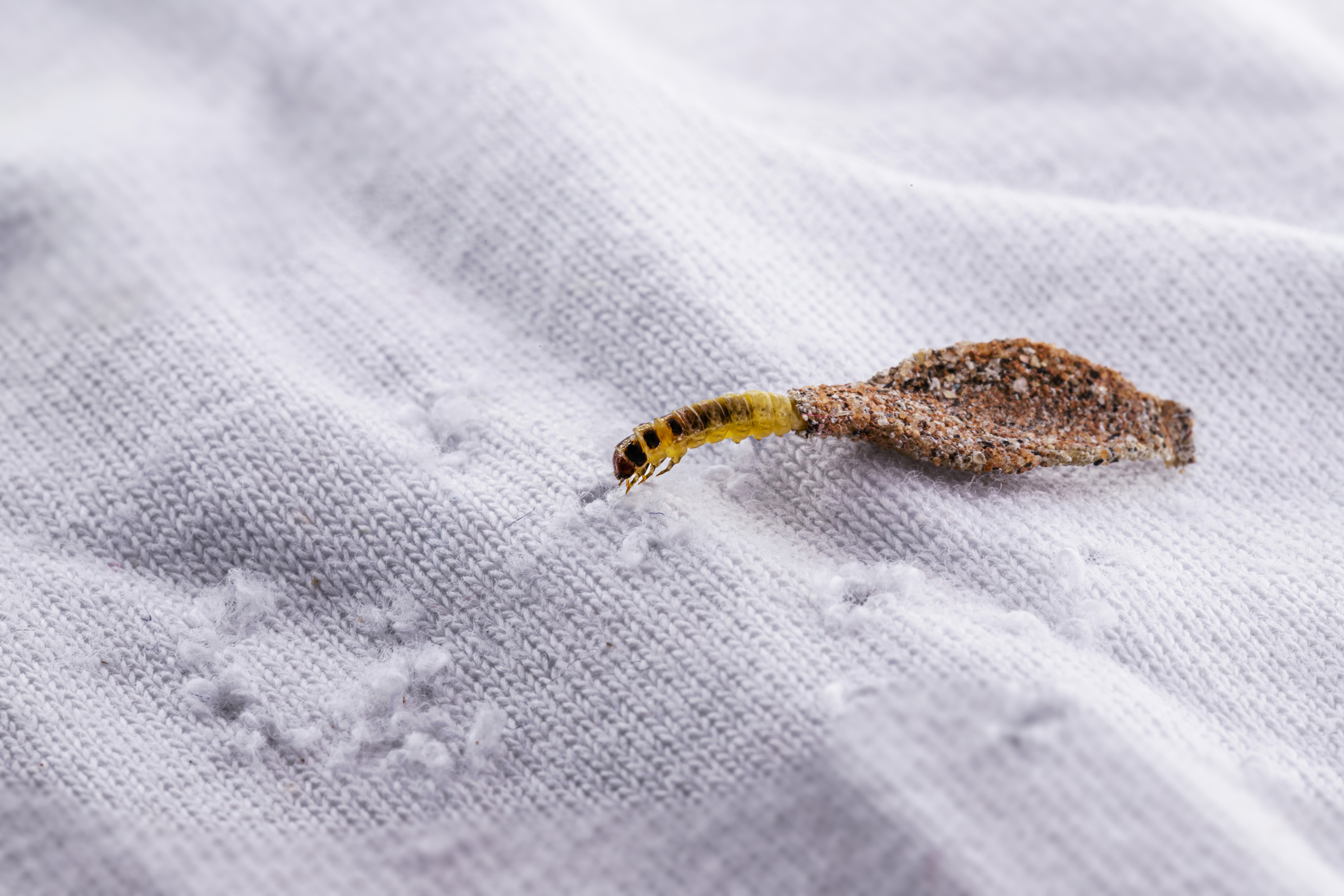
- Casemaking clothes moth (Tinea pellionella): This species produces larvae that live inside small, portable cases constructed from silk and fibers collected from the material they’re feeding on. These often are the same colors of the fibers they’re feeding on.
Both species can be troublesome when they infest wool rugs, winter clothing, upholstered furniture or other belongings that aren’t regularly inspected.
Is This Your Critter?
Maybe it is, maybe it isn’t. We can handle the identification and get you a solution to your problem quickly.
Get a remedy now. Send a message!

How to Identify Clothes Moths
Clothes moths are often difficult to spot because of their small size and preference for concealed spaces. Recognizing their physical characteristics can help distinguish them from other moth species.
Look for these identifying features:
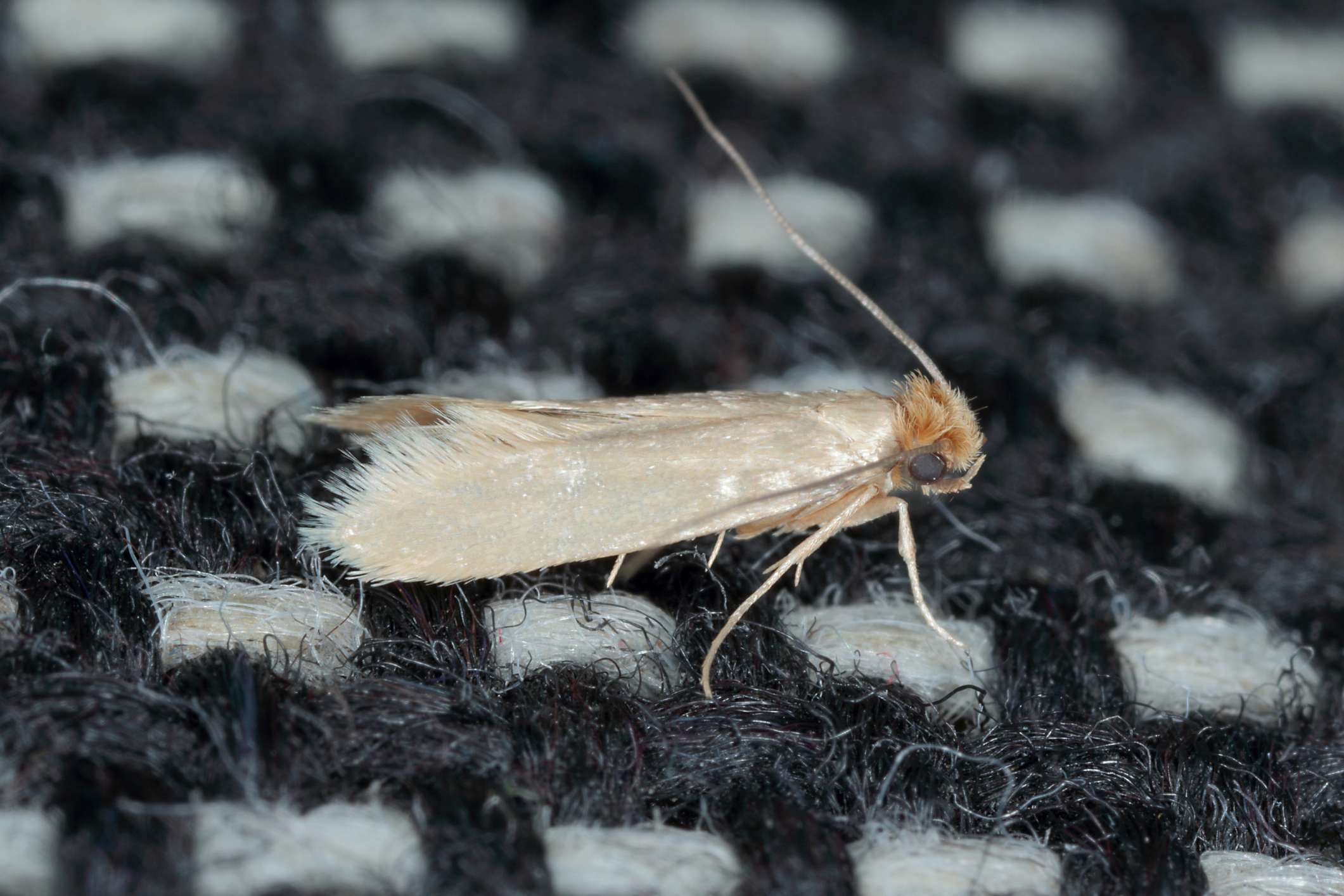
- Adults measure approximately 1/4 to 1/2 inch long and have a tuft of hair on their heads
- Light tan, buff or yellowish fringy wings
- Slender bodies with narrow wings folded over their backs
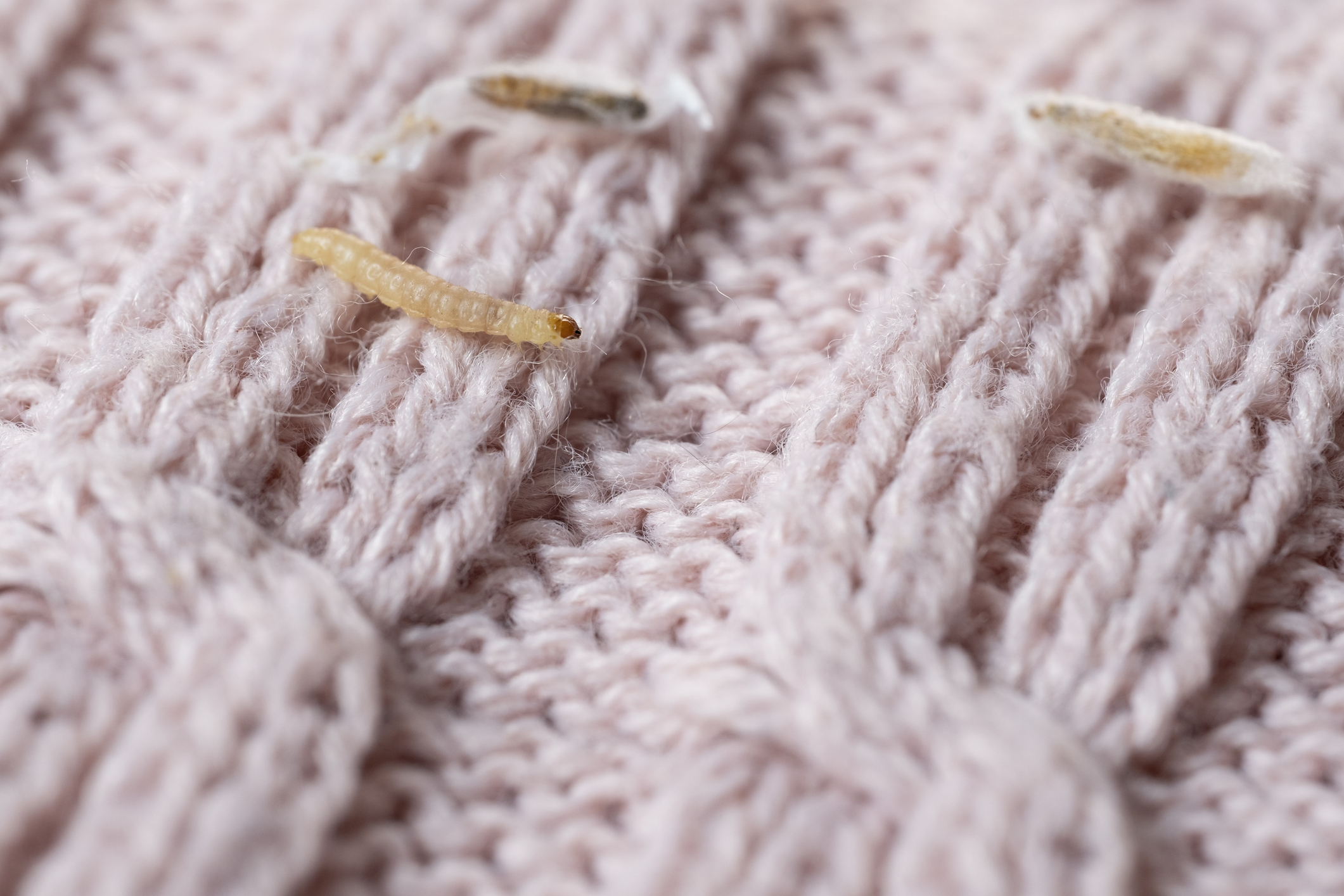
- Small, whitish larvae with brownish heads
- Fine silk threads or tiny protective cases near affected fabrics
- Activity concentrated around clothing, carpets and stored textiles
Clothes moths are sometimes mistaken for pantry moths, but the two infest very different materials. Pantry moths are usually associated with stored food, while clothes moths are more likely to be discovered in closets or areas containing natural-fiber furnishings.
Correctly identifying the pest is the first step toward choosing an effective control method.
Where Do Clothes Moths Hide?
Clothes moths tend to settle in places that receive little light or regular activity. Their larvae can develop out of sight, particularly where natural-fiber materials are left untouched.
Common locations include:
- Bedroom closets and clothing drawers
- Folded sweaters, scarves and winter coats
- Wool area rugs and wall-to-wall carpeting
- Furniture upholstered with natural fibers
- Taxidermy or pinned insect collections
- Boxes or bins containing seasonal clothing
- Attics, basements and other storage areas
- Spaces beneath couches, beds and large furniture
Because the larvae do most of their feeding in concealed areas, you may notice damaged clothing or carpet long before seeing an adult moth.


What Do Clothes Moths Eat?
Clothes moth larvae are capable of digesting keratin, a protein present in animal hair and other animal-derived materials. This makes certain household fabrics especially vulnerable.
Items that may attract clothes moth larvae include:
- Wool and cashmere clothing
- Fur garments and accessories
- Silk and some natural-fiber blends
- Wool rugs and carpeting
- Felt made from animal fibers
- Upholstery containing wool or animal hair
- Feathers, pet fur, and other animal-based materials
Clothes moths typically do not feed on clean, entirely synthetic fabrics such as polyester or nylon. However, clothing containing a combination of synthetic and animal fibers may still be damaged.
Perspiration, food residue and other organic stains can also make stored clothing more appealing to clothes moth larvae.
Frequently Asked Questions About Clothes Moths
How do clothes moths get inside your home?
Clothes moths may be introduced through infested garments, rugs, secondhand furniture, animal nests or other natural fibers. Once indoors, they can reproduce in undisturbed areas where suitable materials are available for their larvae.
Are clothes moths harmful to people?
Clothes moths can’t bite or sting, and they aren’t known for spreading diseases. The primary concern is the destruction their larvae can cause to clothing, carpets and other belongings.
Why am I finding holes in my clothes but haven't seen any moths?
The larvae responsible for fabric damage often remain hidden inside folds, seams and other protected areas. Adult clothes moths also tend to avoid light, making them easy to miss. Keep in mind that carpet beetles can cause similar damage.
Will clothes moths damage fabrics other than wool?
Yes. Wool is a common target, but larvae may also feed on cashmere, fur, feathers, silk and materials containing animal-based fibers. Certain blended fabrics can be affected as well.
Can clothes moths remain active during colder months?
Yes. While outdoor temperatures may be freezing during Midwest winters, clothes moths can continue developing inside heated homes. Stored winter clothing and blankets can provide suitable conditions throughout the year.
Are mothballs effective against clothes moths?
Mothballs can control clothes moths when used properly in tightly sealed containers and according to label directions. They should never be placed loosely around living areas or used in ways not permitted by the label. They can cause harm to people and pets through inhalation of vapors.
Does washing clothing eliminate clothes moths?
Washing items at an appropriate temperature or having them professionally dry-cleaned can destroy clothes moth eggs and larvae. Always follow garment care instructions, particularly when treating delicate fabrics that may shrink or become damaged.
What's the difference between clothes moths and pantry moths?
Clothes moths develop in animal-based fabrics, while pantry moths, including the Indian meal moth, infest dry food products such as cereal, flour, grains and pet food. Knowing which moth is present helps determine where to inspect and how to address the problem.
Schedule Professional Clothes Moth Control Today
Discovering damaged clothing or repeated moth activity can be frustrating, especially when valuable or sentimental belongings are involved.
Since 1929, Franklin Pest Solutions has helped homeowners protect their properties through professional pest management and practical prevention recommendations. Our team can identify clothes moth activity, investigate potential infestation sources and recommend treatment options based on your home’s specific needs.
For reliable clothes moth control in Southwest Michigan, Indiana and the Greater Louisville region, call 1-800-GOT-PESTS? or schedule service online to request a free quote.

Not Your Fabric Pest?
Here are some of the other fabric pests found in the Midwest.



He explains everything he does…
“Awesome service! Daniel is great. He explains everything he does and has come back to set more traps for me. I would highly recommend.”
Madeline O. | Homeowner
Munster, IN
You’ve got a pest problem. We’ve got your pest solution.
Whether you’ve got wasps, rodents, spiders (or you name it), we can assist with your pest problem. We can even provide same-day service. Drop us a line to schedule your pest control services today!

Safe For Your Family and Business
We’re licensed, trained, and certified by the Departments of Public Health and Agriculture, using safe, EPA-regulated materials, always.
Attacking Infestations at the Root
We don’t come in spraying. We evaluate the root of your problem, and recommend and enact pre-emptive measures before any chemicals are used.
Assessments Before Any Contracts
Our Customer Care Center walks you through every service, every charge, and every solution before you agree to anything. Our commitment is to you.