
Fall is almost here! While you may be ready for cooler temperatures, some pests are preparing for the change in seasons, too. Our entomologist, Allison Beach, B.C.E.-Intern, shares what homeowners should know about preventing fall pests before they find their way inside.
As fall approaches and crops are harvested across the Midwest, stink bugs, boxelder bugs, Asian lady beetles, and cluster flies begin searching for sheltered places to ride out the colder months. Homes and other structures can offer just what they need. September is an important time to get ahead of these seasonal invaders and address the ways they may be getting inside before they settle in for the winter.
Why Do Fall Pests Look for Shelter Indoors?
Cold weather doesn’t mean every insect simply dies off. Many have developed ways to overwinter by slowing or changing their biological processes until warmer conditions return. Think of it as an insect’s version of hibernation.
Insects can make it through winter at different stages of their life cycle. Some survive as eggs or larvae protected deep in the soil, while others, like monarch butterflies, migrate to warmer climates. Certain insects can even produce compounds that act like a natural antifreeze. The fall invaders we’re focusing on take another approach: they seek out sheltered places inside homes and other structures where they can wait out the cold.
Tiny gaps around siding, windows, doors, vents, utility lines, soffits, and rooflines can be enough for insects to slip into attics, wall voids, and other hidden areas. These fall pests aren’t coming inside for food, nor will they reproduce or continue developing once they’re indoors. They’re already adults simply searching for a protected place to spend the winter. Once they’ve settled into these concealed spaces, controlling them becomes much more difficult.
This year, warmer conditions may stick around a little longer. The National Pest Management Association’s Fall & Winter 2026 Bug Barometer forecasts above-average temperatures across the Great Lakes, Ohio Valley, and Midwest, potentially extending stinging insect and tick activity. But cooler weather will eventually arrive, bringing the usual seasonal shift in pest behavior. That makes this a good time to prepare your home before overwintering pests begin seeking shelter indoors.
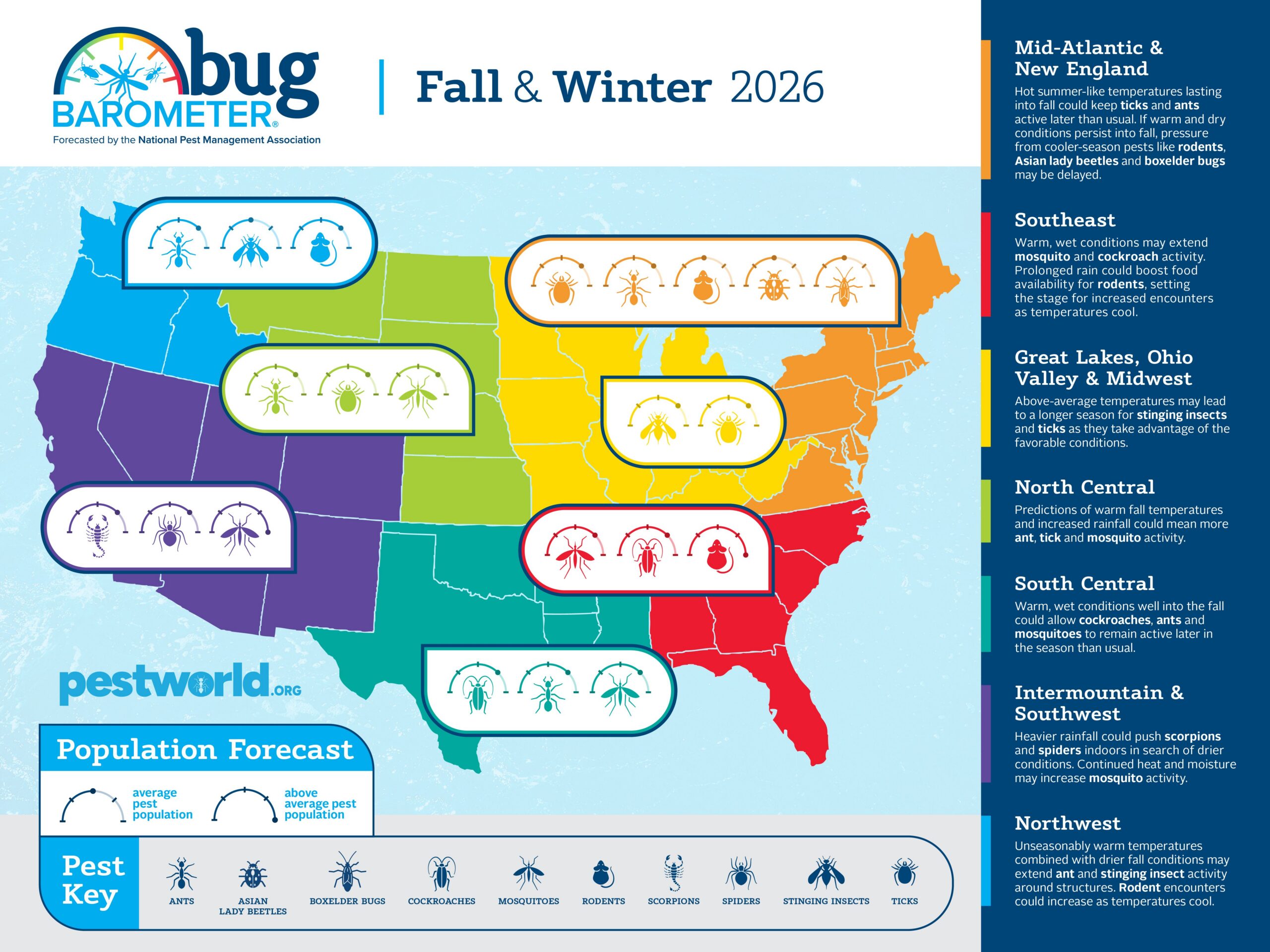
NPMA’s Fall & Winter 2026 Bug Barometer forecasts pest activity across the U.S. based on seasonal weather predictions.
Fall Pests You’re Most Likely to Encounter
If you live in Indiana, Southwest Michigan, or the Greater Louisville region, there’s a good chance you’ve crossed paths with at least one of these familiar fall pests.
Brown Marmorated Stink Bugs (BMSB)
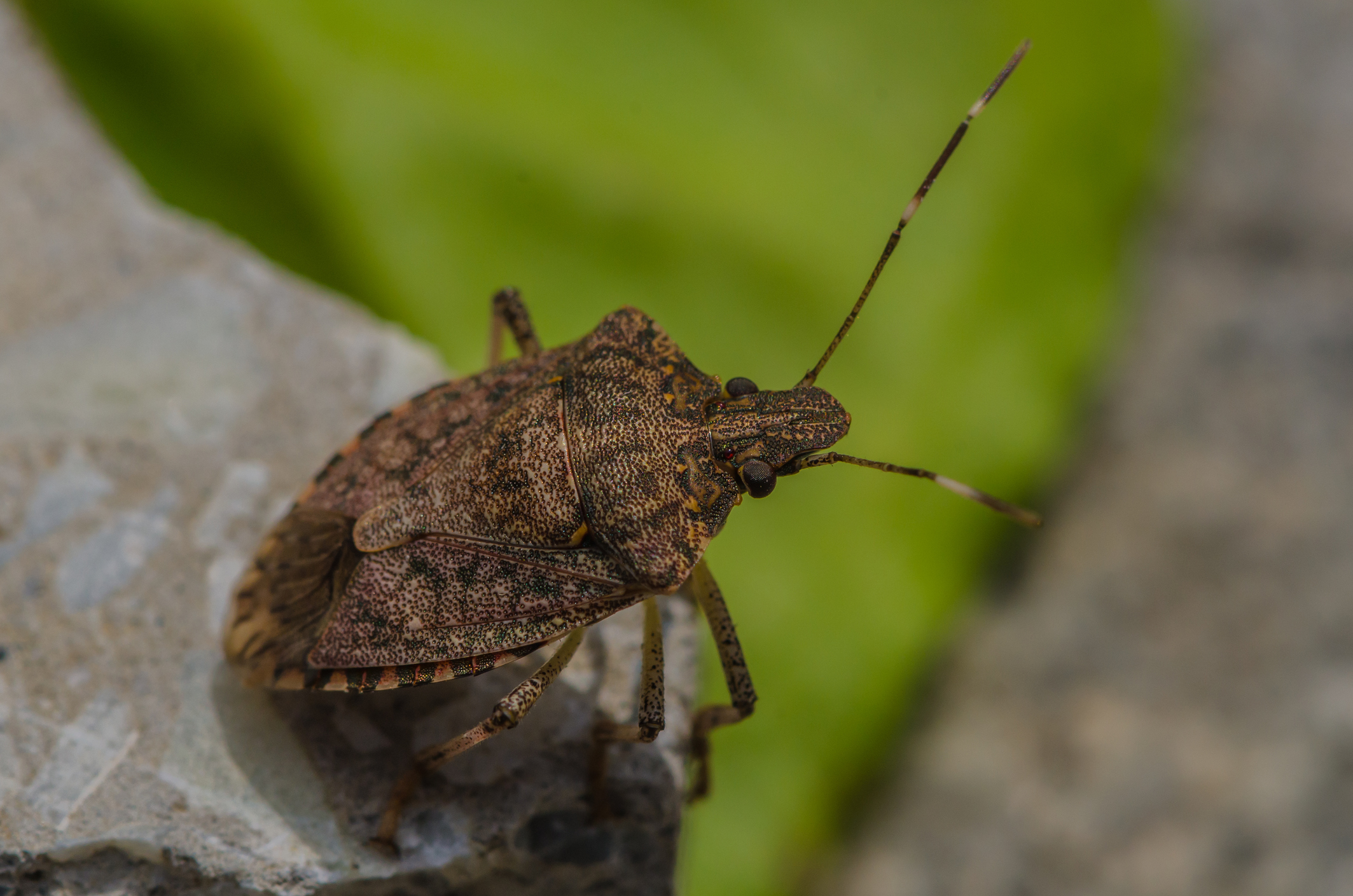
Brown marmorated stink bugs spend the warmer months outdoors feeding on a variety of plants. As fall approaches, they often congregate on sunny exterior walls where the warmth attracts them, then slip through small gaps and cracks in search of a protected place to overwinter.
Stink bugs are primarily a nuisance once they get indoors, but they can make their presence known. If disturbed or crushed, they may release the strong odor they’re named for, and larger numbers can sometimes leave stains on surfaces.
Boxelder Bugs
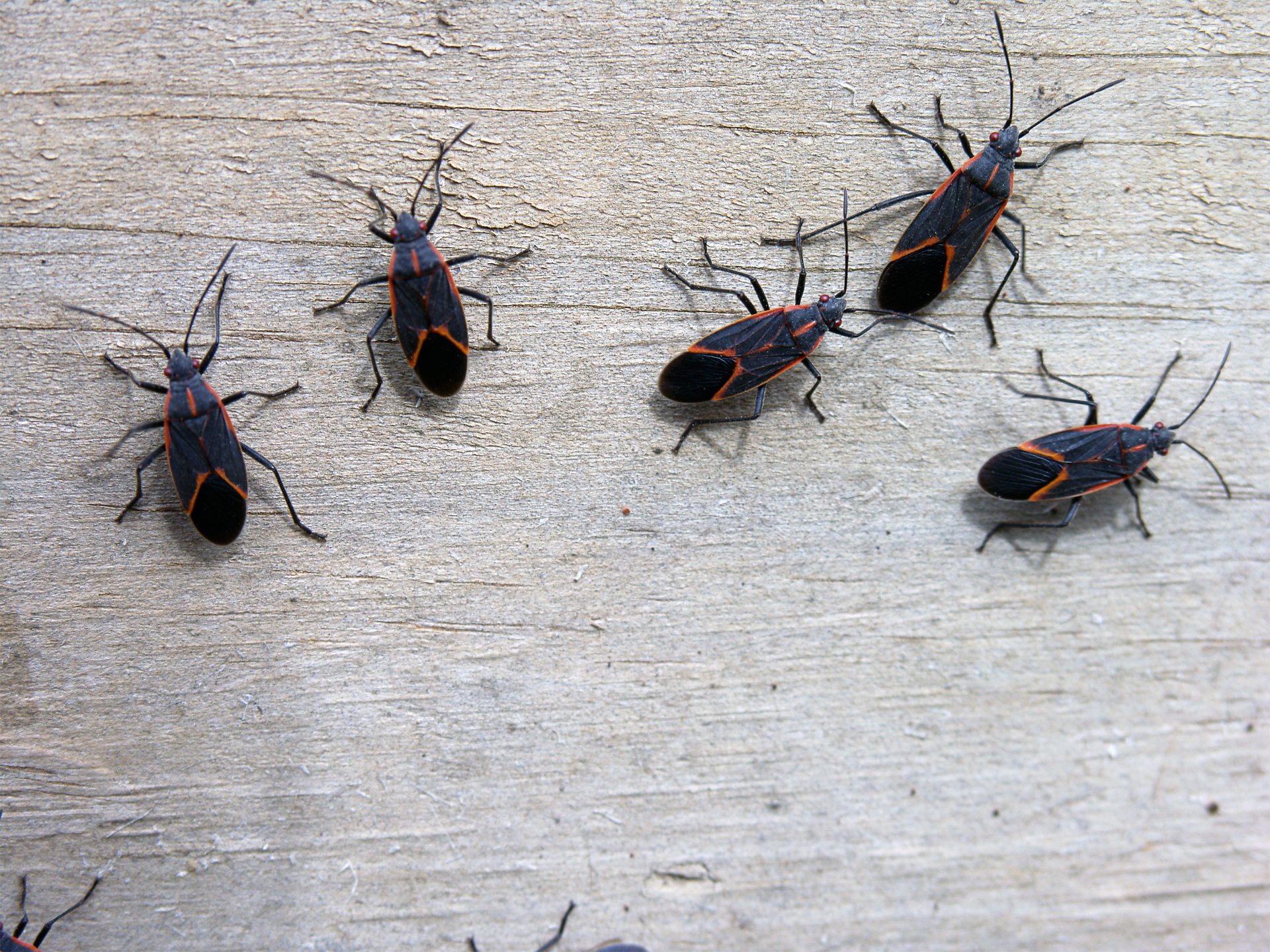
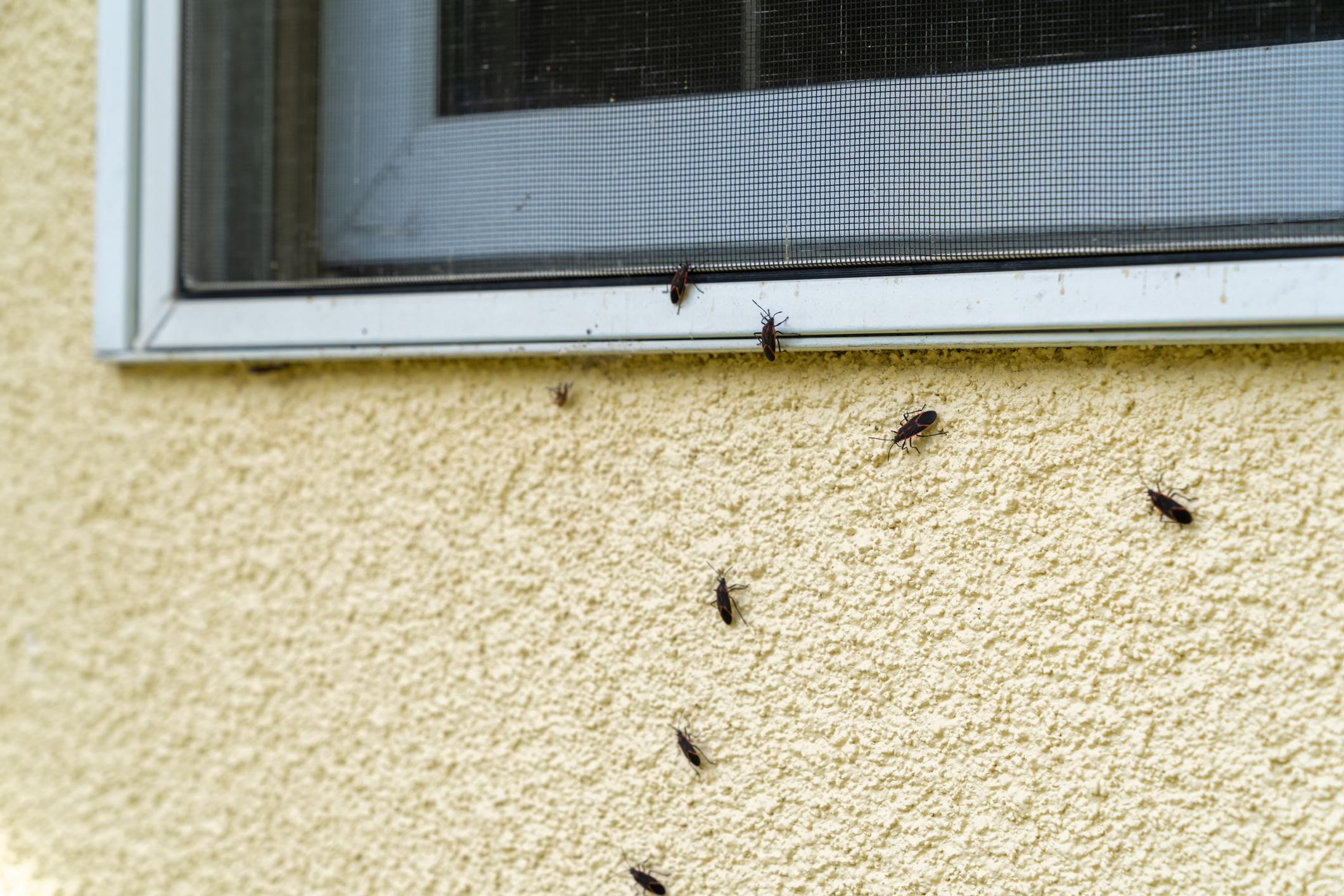
Boxelder bugs are recognizable by their dark bodies with distinctive reddish-orange markings. During spring and summer, they spend most of their time outdoors and are often found near boxelder trees and other species of maple.
As temperatures begin to cool, boxelder bugs start congregating on sun-warmed walls, foundations, windows, and doorways. From there, they look for cracks and other openings that can lead them to a sheltered place to spend the winter.
Boxelder bugs generally don’t cause structural damage, but that doesn’t make them welcome houseguests. When hundreds gather on the outside of a home or begin showing up indoors, they can quickly become a frustrating nuisance.
Asian Lady Beetles
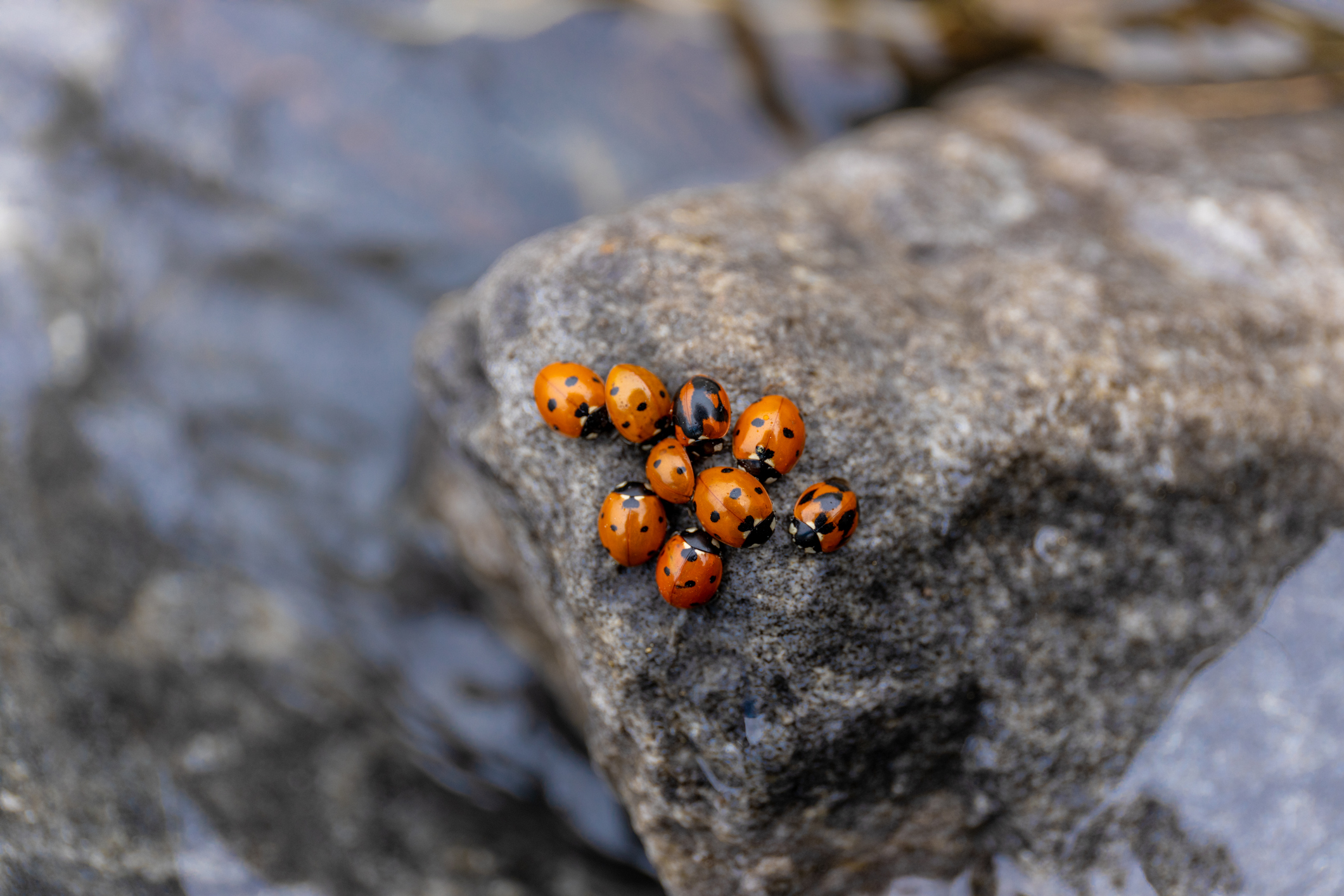
Multicolored Asian lady beetles are helpful insects outdoors, feeding on aphids and other small pests that damage plants. Their behavior becomes less helpful in the fall, when they begin gathering on sunny exterior walls and searching for openings that can lead them indoors for the winter.
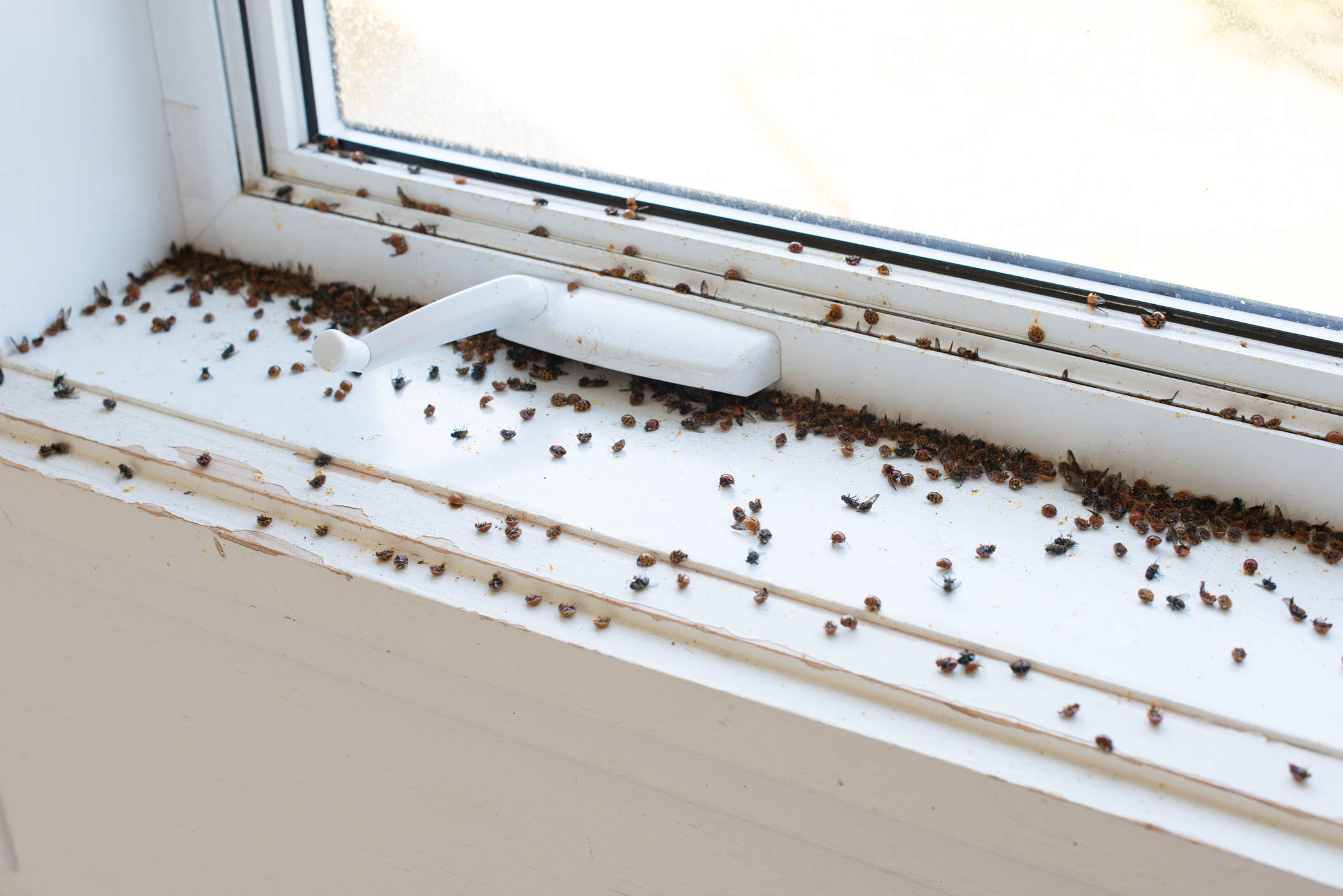
Once indoors, Asian lady beetles often show up around windows, ceilings, and other bright areas, including near fluorescent lights. If disturbed, they may release a yellowish defensive fluid with an unpleasant odor that can stain some surfaces. Although they aren’t aggressive toward people, their mandibles can occasionally pinch the skin when they feel threatened.
Cluster Flies
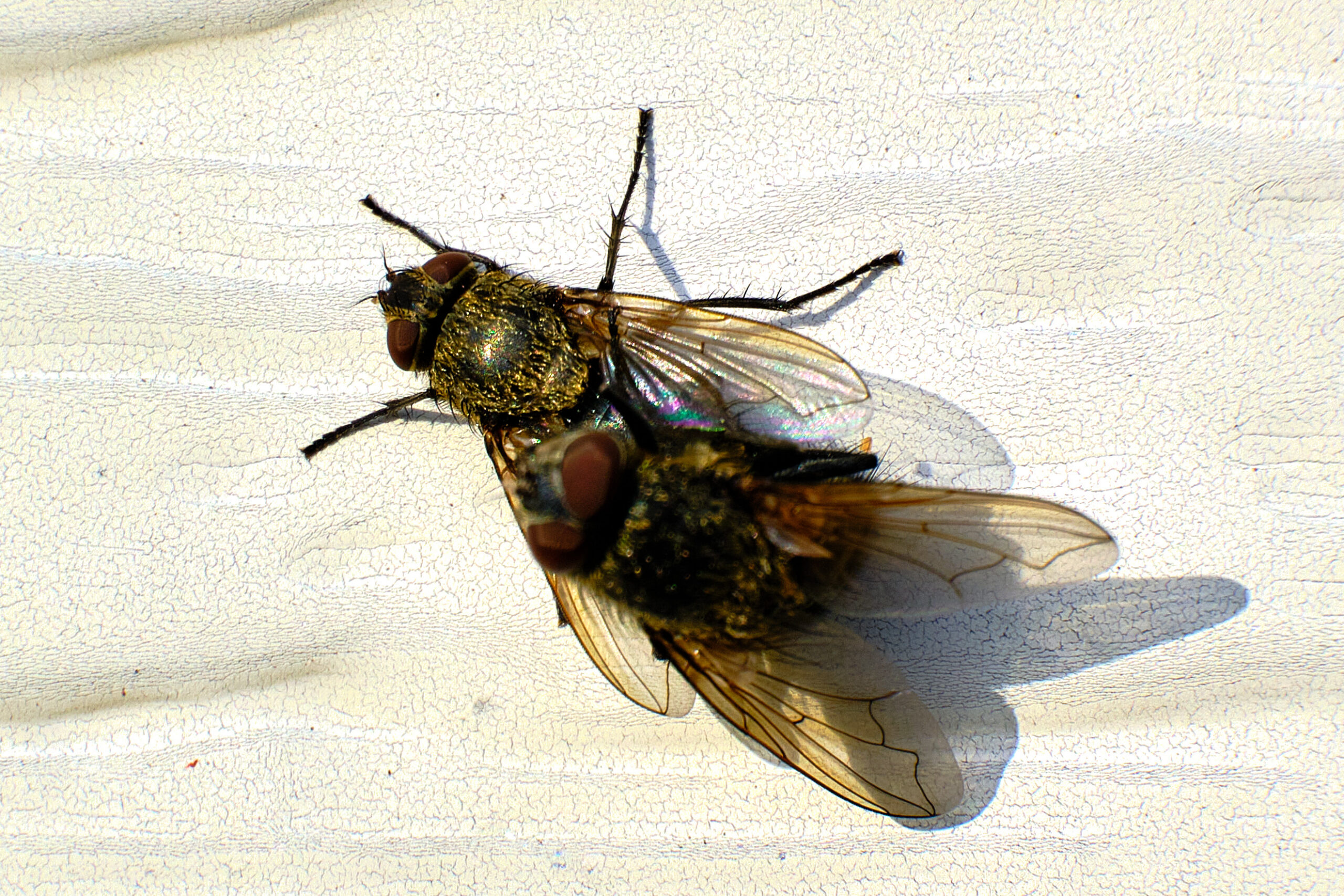
Have you ever spotted a large fly sluggishly buzzing around a window during the colder months and wondered how it got there? That slow, almost clumsy flight is a common sign you may be dealing with a cluster fly.
Unlike house flies or blow flies, cluster flies aren’t typically connected to garbage, decaying food, or dead animals. Their life cycle takes place outdoors, where adults lay their eggs in the soil. After hatching, the larvae locate earthworms and develop as parasitoids, feeding on and eventually killing their earthworm hosts.
Adult cluster flies become a problem as the weather cools and they begin searching for sheltered places to spend the winter. They can slip into attics, wall voids, and other hidden spaces, then become active indoors when conditions warm up. Homeowners may find them gathering, or sometimes dying in large numbers, around windows and other areas where they’re drawn to light and warmth.
Had Fall Pests Before? They Could Return
Past pest problems can be a good indication of what may show up around your home again this fall.
Think about what you’ve noticed in past years. Have stink bugs found their way indoors? Have boxelder bugs gathered across a sunny exterior wall? Do Asian lady beetles collect around your windows, or cluster flies suddenly appear upstairs? If these pests have been repeat visitors, now is the time to take preventive steps before they find their way inside again.
The entry points and sheltered hiding spots these pests used before may still be accessible, giving them the same opportunity to move in again this fall.
Why do fall pests suddenly show up inside during winter?
It may seem like a stink bug or Asian lady beetle suddenly appeared in the middle of winter, but chances are it has been hiding inside your home since fall. A period of warmer weather, indoor heat, or even sunlight warming the right spot can cause overwintering insects to become active and make their way into your living space. By the time you notice them crawling or buzzing around indoors, the best opportunity for prevention has already passed.
How to Keep Fall Pests from Getting Inside
Prevention starts by taking a close look around the outside of your home. Overwintering pests can squeeze through surprisingly small openings, so even minor gaps and cracks are worth paying attention to.
Inspect the weatherstripping around doors and windows, replace or repair damaged screens, and seal cracks around siding and exterior trim. Look closely at places where pipes, cables, utility lines, and vents enter the home, too. Be sure to check higher areas of the structure as well, including soffits, fascia, rooflines, and attic vents, where small entry points can easily go unnoticed.
Give the south and west-facing sides of your home a little extra attention. These areas receive more sunlight and warmth, making them common gathering spots for insects as they prepare to overwinter.
A professional exterior treatment can also help reduce fall invaders as they gather around your home and look for ways inside. With overwintering pests, timing matters. Treatment is most effective before they’ve already found their way into protected areas of the structure.
Why September Is the Best Time to Act
Once fall pests settle into attics, wall voids, and other hidden areas, reaching them becomes much more difficult. Treating insects after they’re concealed inside can leave dead pests in inaccessible spaces, potentially causing odors or attracting other pests. That’s why prevention before they move indoors is a much better approach than waiting until they start appearing in your living space.
September gives homeowners a valuable window to get ahead of fall pest activity before these seasonal invaders make their way inside.
At Franklin Pest Solutions, we’ve been helping protect Midwest homes for generations, and we understand how pest pressures shift throughout the year. Our Healthy Home Maintenance Program offers year-round protection from common household pests, with regularly scheduled service tailored to the season and the pest activity happening in and around your home.
If stink bugs, boxelder bugs, Asian lady beetles, cluster flies, or other seasonal pests return to your home year after year, now is the time to get ahead of them. Contact us today for a free quote and let our team help keep fall pests where they belong: outside.